

In today’s digital age, the role of a Chief Marketing Officer (CMO) has evolved to adapt to the ever-changing landscape of technology and consumer behavior. With advancements in communication, data analytics, and marketing automation, businesses are turning to Virtual CMOs to lead their marketing strategies in the digital realm. Understanding the role, skills, and challenges of a Virtual CMO is essential for businesses looking to thrive in the digital era.
Understanding the Role of a Virtual CMO
A Virtual CMO, also known as a Chief Marketing Officer, is a marketing executive who provides strategic guidance and leadership to businesses on a part-time or project basis. Unlike a traditional CMO, a Virtual CMO operates remotely and leverages technology to execute marketing initiatives effectively. With their knowledge of digital marketing trends and technologies, they help businesses navigate the complexities of the digital landscape, ensuring that marketing efforts are aligned with business goals and objectives.
Virtual CMOs have become increasingly popular in recent years as businesses recognize the need for expert marketing guidance without the cost of a full-time executive. These professionals bring a wealth of experience and expertise to the table, helping businesses develop and implement effective marketing strategies that drive growth and brand awareness.
Key Responsibilities of a Virtual CMO
A Virtual CMO takes on a wide range of responsibilities that span across strategy, digital marketing, and team management. They are responsible for developing and implementing comprehensive marketing plans that drive growth and brand awareness. This includes conducting market research, analyzing data, and identifying target audiences to inform marketing strategies.
Furthermore, a Virtual CMO collaborates with various stakeholders to effectively develop and execute marketing campaigns. They oversee creative content development, manage social media presence, and optimize website performance. Additionally, they track and analyze key performance metrics to measure the success of marketing initiatives and make data-driven decisions for continuous improvement.
One of the key advantages of hiring a Virtual CMO is their ability to bring a fresh perspective to the table. As virtual leaders, they are not bound by the limitations of a physical office and can adapt quickly to changing market trends. They are constantly staying up-to-date with the latest digital marketing strategies and technologies, ensuring that businesses are always one step ahead of the competition.
The Value Proposition of a Virtual CMO
One of the key advantages of hiring a Virtual CMO is the flexibility they offer. Businesses can benefit from their expertise without the cost of a full-time executive. As virtual leaders, they bring a fresh perspective and can adapt quickly to changing market trends. By leveraging remote technologies, they can work seamlessly with teams across different locations, enhancing collaboration and efficiency.
Virtual CMOs also provide businesses with access to a network of industry professionals and resources. They have the knowledge and experience to stay ahead of the curve in the digital marketing landscape. This allows businesses to benefit from innovative strategies and technologies that drive results and improve their competitive advantage.
Furthermore, Virtual CMOs bring a wealth of experience and expertise to the table. With their deep understanding of digital marketing trends and technologies, they can help businesses navigate the complexities of the digital landscape. They have a keen eye for identifying opportunities and can develop effective marketing strategies that align with business goals and objectives.
In conclusion, hiring a Virtual CMO can be a game-changer for businesses looking to enhance their marketing efforts. These professionals bring a fresh perspective, expertise, and flexibility to the table, helping businesses develop and implement effective marketing strategies that drive growth and brand awareness. With their knowledge of digital marketing trends and technologies, they can navigate the complexities of the digital landscape and ensure that marketing efforts are aligned with business goals and objectives.
The Intersection of Marketing and Technology
In today’s digital realm, marketing, and technology go hand in hand. A Virtual CMO must possess a high level of digital proficiency to navigate this intersection and drive marketing success effectively. But what does it mean to have digital proficiency as a Virtual CMO? It goes beyond just having a basic understanding of digital marketing channels. It means having a deep understanding of the ever-evolving landscape of digital marketing tools, strategies, and analytics.
The Importance of Digital Proficiency
To stay relevant in a digital world, a Virtual CMO must possess a deep understanding of digital marketing channels, tools, and analytics. They need to be familiar with search engine optimization (SEO), content marketing, social media advertising, and email marketing, among other tactics. This enables them to develop and implement effective marketing strategies that generate leads, drive conversions, and increase brand visibility.
But it doesn’t stop there. A Virtual CMO should also be well-versed in marketing automation software and data analytics platforms. These tools allow for precise targeting, personalized messaging, and efficient campaign management. By harnessing the power of technology, businesses can optimize their marketing efforts and achieve measurable results.
Imagine being able to track the success of a marketing campaign in real-time, analyzing data to make informed decisions on how to improve and refine strategies. This is the power of digital proficiency in marketing.
Leveraging Technology for Strategic Marketing
Technology not only enhances marketing execution but also influences strategic decision-making. A Virtual CMO must stay informed about emerging technologies and trends to leverage them for business growth. This requires continuously evaluating marketing tools and platforms, assessing their relevance to the business’s goals, and making informed decisions on where to invest resources.
For example, artificial intelligence (AI) is revolutionizing the way businesses approach marketing. AI-powered chatbots can provide personalized customer experiences, while machine learning algorithms can analyze vast amounts of data to identify patterns and optimize marketing campaigns. A Virtual CMO who understands the potential of AI can harness its power to drive strategic marketing initiatives and gain a competitive edge.
Additionally, a Virtual CMO should be able to analyze data and interpret insights to drive strategic marketing initiatives. By harnessing the power of data analytics, they can identify customer trends and preferences, refine target audience segmentation, and personalize marketing campaigns. This data-driven marketing approach ensures that resources are allocated effectively and that the business is adapting to the ever-changing needs of its customers.
Ultimately, the intersection of marketing and technology is where innovation and growth happen. A Virtual CMO with digital proficiency can navigate this intersection with confidence, utilizing the latest tools and strategies to drive marketing success and propel the business forward in the digital age.
Skills and Qualifications for a Virtual CMO
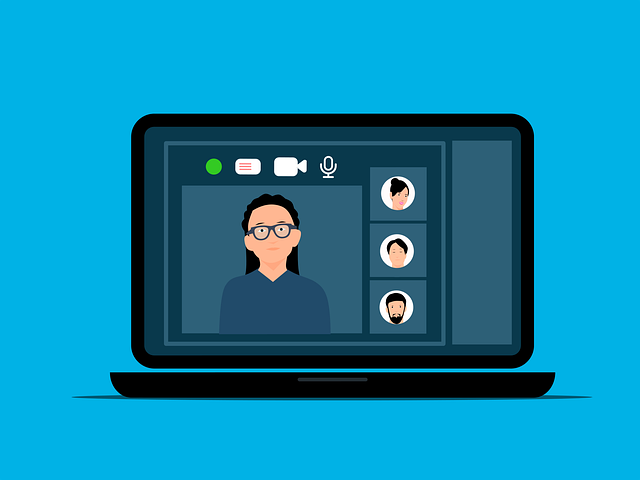
Being a Virtual CMO requires a diverse skill set that combines digital marketing expertise, leadership capabilities, and remote work proficiency.
Essential Digital Marketing Skills
First and foremost, a Virtual CMO must have a solid foundation in all aspects of digital marketing. This includes a deep understanding of SEO best practices, proficiency in paid advertising platforms such as Google Ads and Facebook Ads, and knowledge of content marketing strategies. They should also be familiar with website analytics tools like Google Analytics to track website performance and measure the success of marketing campaigns.
Furthermore, expertise in social media marketing is essential. A Virtual CMO should understand the nuances of different social media platforms and how they can be leveraged to reach target audiences effectively. They should also have experience with social media advertising and community management.
Leadership and Management in a Virtual Environment
A Virtual CMO must possess strong leadership and management skills to guide marketing teams effectively, even in a remote work setting. This includes exceptional communication and collaboration skills, as well as the ability to motivate and inspire teams from a distance. Virtual CMOs should be able to set clear expectations, provide constructive feedback, and foster a culture of innovation and continuous learning.
Moreover, they should be able to effectively manage resources and budgets, ensuring that marketing efforts are aligned with business goals and objectives. This requires strong analytical and problem-solving skills and the ability to prioritize and delegate tasks efficiently.
Challenges Faced by Virtual CMOs
While virtual leadership offers numerous benefits, it also comes with its own set of challenges. Overcoming these challenges is crucial for effective marketing leadership in the digital realm.
Overcoming Communication Barriers
Communication is key to successful marketing initiatives, and virtual environments can present unique challenges in this regard. A Virtual CMO must be proactive in establishing clear communication channels with team members and stakeholders. This may include utilizing project management tools, holding regular virtual meetings, and fostering an open and collaborative culture.
Moreover, effective communication goes beyond just conveying information. A Virtual CMO must also ensure that ideas are understood and interpreted correctly, fostering a shared understanding and aligning all stakeholders towards the same goals. This requires active listening, empathy, and the ability to adapt communication styles to different team members.
Ensuring Effective Team Collaboration
In a virtual setting, teamwork and collaboration can be challenging. A Virtual CMO must proactively foster a sense of teamwork and create opportunities for collaboration among team members. This may include virtual team-building activities, knowledge-sharing sessions, and regular brainstorming sessions to encourage idea generation and innovation.
Additionally, technology plays a crucial role in enabling effective team collaboration. A Virtual CMO should leverage project management tools, team communication platforms, and file-sharing systems to streamline workflow and ensure that everyone has access to the information and resources they need.
The Future of Virtual CMOs
As digital marketing continues to evolve, Virtual CMOs will play an increasingly significant role in shaping business strategies and driving growth in the digital realm.
Emerging Trends in Digital Marketing Leadership
Virtual CMOs are on the forefront of emerging trends in digital marketing leadership. As technology continues to advance, automation and artificial intelligence (AI) will play a larger role in marketing execution. Virtual CMOs will need to stay informed about these developments and understand how to leverage them effectively to drive marketing success.
Furthermore, the importance of personalization and customer experience will continue to grow. Virtual CMOs will need to invest in understanding customer data and preferences to deliver personalized marketing experiences. This will require a deeper integration of data analytics and customer relationship management (CRM) systems.
The Long-term Impact of Virtual CMOs on Business Strategy
Virtual CMOs have the potential to transform businesses’ approach to marketing. By providing expert guidance and leveraging technology, they can help businesses navigate the complexities of the digital realm and drive growth. This shift towards virtual marketing leadership allows businesses to access top-tier talent and expertise, regardless of physical location, opening up new possibilities for growth and innovation.
Conclusion
In conclusion, the role of a Virtual CMO is integral in navigating marketing leadership in the digital realm. With their expertise in digital marketing, leadership skills, and ability to overcome challenges, Virtual CMOs empower businesses to succeed in the rapidly evolving digital landscape. By staying informed about emerging trends and leveraging technology effectively, Virtual CMOs can unlock new opportunities for growth and help businesses thrive in the digital era. Transform your marketing efforts and grow your business. Schedule a FREE consultation and business growth strategy session with one of our Senior Chief Marketing Officers today.


Share this Post