
A Comprehensive Guide to Rebranding
If you’ve been wondering, “What is rebranding?” you’re not alone. It’s a hot topic that many are curious about, especially when considering whether it could help alleviate some of their branding and marketing challenges. So, let’s dive into what rebranding really means and whether it is the right move for your business.
Introduction to Rebranding
Rebranding is essentially changing your company’s image or identity. This could involve updating your logo, redesigning your digital and physical presence in the marketplace, or even overhauling your company’s mission, values, and marketing approach. Think of it as getting a stylish new haircut, a fresh wardrobe, or a complete makeover. You’re still you, but with a fresh new look and attitude that better fits who you are now or aspire to become in the future.
Apple: A Masterclass in Rebranding
Remember the old Apple logo from 1976? No one does. It was far from the sleek, modern image we associate with Apple today. In 1977, Rob Janoff redesigned it to the simple Apple icon with a bite taken out of it, signifying a shift towards a more streamlined, high-tech identity. This transformation was crucial in establishing Apple as a leader in innovation and design. But this rebrand went beyond mere aesthetics and helped transform the brand from within. The company went from just another computer company to a lifestyle brand that happened to provide highly intuitive and transformational products. This new brand was first adopted internally before inspiring cult-like dedication from their clients.

Why Should You Consider Rebranding?
There are a number of reasons why you should consider rebranding your company. However, rebranding is a very delicate endeavor and should not be taken lightly. If you have a customer base that has already formed a bond or relationship with your existing brand, it becomes crucial to weigh that brand loyalty against the benefits of a major rebranding initiative that could alienate your customer base and possibly hurt your bottom line. Remember the famous failed Tropicana rebrand?

Here are some viable reasons a rebranding effort may be needed for your company:
Outdated Brand: If your brand looks stuck in a past era, like Apple’s old logo, it might be time for a rebrand. Today’s consumers expect modern and relatable brands and a fresh look can help you connect with a new generation or signal to your old customer base that you have bigger and better things in store for them.
Market Evolution: Technology and market conditions change rapidly. Your brand needs to evolve to keep up with these changes. A great example is IBM, which rebranded in 1972 to position itself as a leader in the personal computing and software space. They saw the writing on the wall that personal computing would be the next frontier and mainframes were going to be a thing of the past. That turned out to be a wise move since a few short years after their rebranding, Steve Jobs introduced the Apple II in 1977. IBM’s new brand was poised to capture the imagination of a whole new generation of personal computing enthusiasts who were looking for faster and more technologically advanced software and hardware.

Mergers and Acquisitions: If your company merges with another or acquires a new entity, a rebrand might be necessary to integrate the new products or services into a cohesive brand identity. For instance, Boeing’s merger with McDonnell Douglas required a significant rebranding effort. With this merger, Boeing became a major player in the military sector where McDonnell Douglas had a strong foothold. Of course, not all mergers have a happy ending, and this one is no exception. There was a major company culture clash where McDonnell Douglas’s cutthroat, sales-focused management style became dominant. A strong cost-cutting initiative tarnished the Boeing brand for years, leading to the recent 737 Max quality issues.

New Audiences: As new generations come of age, targeting a new demographic might require a brand update. Calvin Klein rebranded in 2017 to appeal to a younger, more adventurous audience, showcasing a more youthful and bold image with an all-caps version of their logo. They realized that the old-school nostalgic look no longer tracked with their forward-thinking audience, and brands like H&M and Zara were swiftly capturing the new generation’s style. Therefore, Calvin Klein, realizing this shift in the marketplace, embarked on aligning their brand with the new generation of consumers and their style sensibilities. However, like all fleeting trends in the fashion industry once they had realized their goal of aligning their brand with a new younger audience they reverted to their old brand leveraging their brand history to bridge their new styles and old styles while maintaining a grip on their newly engaged audience.

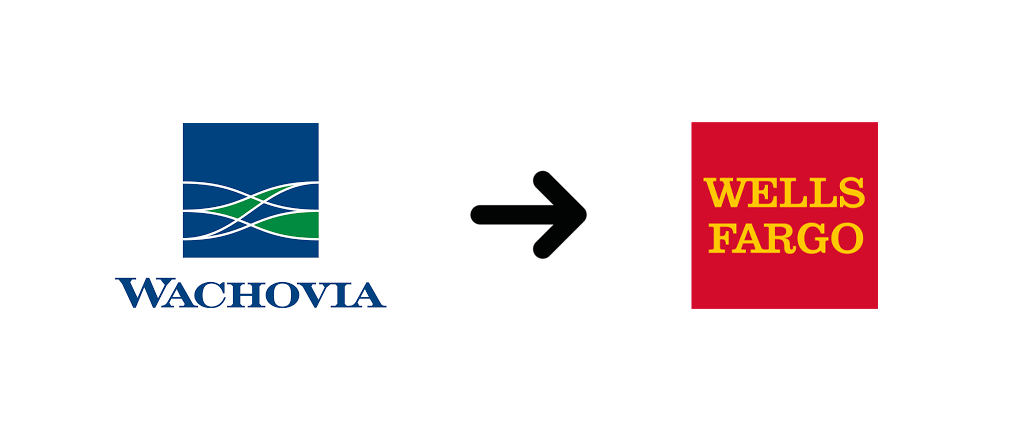
Bad Reputation: Sometimes, a clean slate is needed to shed a negative image. For example, Wachovia had to merge with Wells Fargo and rebrand due to customer service issues. Wells Fargo was a beloved West Coast brand that could easily quell Wachovia’s image problems. However, just as it was outlined with the Boeing and McDonnell Douglas merger if the rebranding effort is only cosmetic and not a shift in the company culture, the new dominant brand will eventually fall from grace. Wells Fargo later faced its own challenges and was forced to answer to the public in front of Congress.
Steps to Rebranding
Rebranding can be a complex process, but breaking it down into manageable phases can help. Here are the key steps:
Phase 1: Research and Audit
Start by evaluating your current brand. What’s working? What’s not? Gather feedback from customers, employees, and stakeholders. Conducting a SWOT analysis (Strengths, Weaknesses, Opportunities, and Threats) can provide valuable insights. This step is crucial and might reveal that a full rebrand isn’t necessary.
Phase 2: Define Your Brand Strategy
Outline your new brand’s mission, vision, and values. What do you want to be known for? How do you want people to feel when they interact with your brand? This will guide all your rebranding efforts.
Phase 3: Develop Your New Identity
This is where the fun begins—creating logos, colors, and typography that embody your new brand strategy. It’s essential to work with a reputable branding agency to ensure your visuals are both strategic and aesthetically on point. It is recommended to conduct focus groups if budgets allow to ensure that your new brand resonates with your target audience right out of the gate and you do not find yourself in a situation where you have to retract your newly minted brand from the marketplace, as Tropicana was forced to do after the public backlash they endured.
Phase 4: Implementation
Roll out your new brand by updating your website, social media profiles, marketing materials, and products. Ensure your employees are on board and excited about the change—they’re your brand ambassadors. A well-planned launch campaign can help ease the transition for your existing customers. If your company is large enough that media attention and PR efforts are needed, make sure to coordinate your release efforts and time them with special events that can boost your new brand’s market penetration. Some rebranding initiatives may take years to implement if you have a sizeable brick-and-mortar presence. A cohesive effort is needed to slowly and methodically transition from the old brand to the new one while maintaining a strong presence in the marketplace and reassuring your customers that this change is for their benefit. Getting your customer’s buy-in and support when you transition your brand is the most important aspect of a successful rollout campaign.
Phase 5: Monitor and Evolve
Rebranding is an ongoing process. Collect feedback and be ready to make adjustments as needed. Constantly assess your brand health to ensure your market perception aligns with your brand goals. This is crucial, for at the first sign of any negative perception, you can adjust and refine your brand to better align it with market expectations and ensure better adoption and propagation.
Conclusion
Rebranding is all about aligning your brand with your current goals and audience. Whether you’re trying to stay relevant or aiming for a fresh start, rebranding can be a powerful tool. Ready to give your brand a fresh new look? Or is your old brand still going strong?
If you found this guide helpful, don’t forget to share it with your fellow business owners and marketing friends. If you have any questions or require help with your rebranding effort, schedule a free discovery call today to find out how we can help you achieve your goals.


Share this Post