

In the world of political campaigns, branding is not just about a catchy slogan or a recognizable logo—it’s about creating a cohesive and compelling identity that resonates with voters, communicates values, and builds trust. A successful political campaign requires a well-crafted brand strategy, strong visual elements, consistent messaging, and unwavering brand consistency. In this long-form blog, we’ll explore the importance of each of these elements and how they contribute to a winning political campaign.
The Importance of Brand Strategy in Political Campaigns
Brand strategy is the foundation of any successful political campaign. It involves defining the core identity of the candidate, understanding the target audience, and crafting a narrative that aligns the candidate’s values with those of the voters. Conducting focus groups and extensive surveys is imperative to uncover the issues foremost in voters’ minds and their current perception of the political landscape. This insight is crucial for crafting a winning campaign and ensuring that policy talking points align with voter sentiment.
Defining the Candidate’s Identity
At the heart of any political brand strategy is the candidate’s identity. This includes their values, beliefs, policies, and personality traits. A clear and authentic identity helps voters connect with the candidate on a personal level. Voters are more likely to support a candidate who they feel understands their needs and represents their interests. Aligning candidate values with voter values is the most important aspect of creating a resonant identity that not only helps voters relate but also become loyal followers of the campaign.
Understanding the Target Audience
A political campaign must have a deep understanding of its target audience. This involves identifying key voter demographics, psychographics, and concerns. By understanding the motivations and pain points of different voter segments, the campaign can tailor its messaging to resonate with various groups, whether they are young voters, working-class families, or senior citizens. Most political campaign failures can easily be traced back to a lack of clear understanding of their target audience and the key issues that candidates are selected to address as their representatives.
Crafting a Compelling Narrative
The narrative is the story that the campaign tells about the candidate and their vision for the future. This narrative should be consistent across all campaign materials and communications, from speeches to social media posts. A strong narrative not only differentiates the candidates from their opponents but also creates an emotional connection with voters, inspiring them to take action. Storytelling is a primal mechanism that allows for a deep connection with voters. Without a compelling personal story, candidates will appear distant and cold and will fail to inspire their target audience.
The Role of Brand Visuals in Political Campaigns
Visual elements are crucial in political branding, as they create the first impression and often leave a lasting impact. From logos to color schemes, the visual identity of a political campaign must be carefully designed to convey the candidate’s message and appeal to voters. Strength is the number one brand identity marker that will help instill confidence in a political candidate. That is why a strong typeface paired with colors that carry weight is best to signal to voters that they can trust in the candidate and their convictions.
Creating a Memorable Logo
A campaign logo is more than just a design—it’s a symbol of the candidate’s identity and values. A well-designed logo should be simple, memorable, versatile, and able to be used across various platforms and media. The logo should also be distinctive enough to stand out in a crowded political landscape. Most candidates these days opt for a type-driven logo based on their name. While that is important, a clean, simple, and strong monogram can help propel the candidates even further and distinguish them from the pack. The best-case example is Obama’s circular logo, which became an emblem of a generation and created a powerful political movement.

Choosing the Right Color Scheme
Colors evoke emotions and can influence voter perceptions. For example, blue is often associated with trust and stability, while red can convey energy and passion. The color scheme of a political campaign should be chosen carefully to align with the candidate’s brand identity and the emotions the campaign wants to evoke in voters. In American politics, it has become the default choice to use red, white, and blue for any political campaign. However, a bold choice of color could break the mold and separate the candidate from their challengers. Mayor Pete’s campaign leveraged an unorthodox but sophisticated color palette in the 2020 race for the White House, and it instantly put that campaign on the map for its bold choices of color and usage.

Consistent Visual Elements
Beyond the logo and color scheme, all visual elements of a campaign, such as typography, imagery, and design style, should be consistent across all platforms. This consistency helps to reinforce the campaign’s brand and ensures that voters can easily recognize the campaign’s materials.
The Power of Brand Messaging in Political Campaigns
Brand messaging is the verbal aspect of the political brand and plays a critical role in communicating the candidate’s values, policies, and vision. Effective messaging should be clear, concise, and aligned with the overall brand strategy. Politicians have to deal with complex social and economic issues, and boiling down those complex concepts into simple phrases and sound bites is an art that not many have mastered. There are political strategists who spend their entire careers creating a simple language that can be easily adopted and understood in the public diaspora. One of the masters at this is Frank Luntz, who once famously said, “80 percent of our life is emotion, and only 20 percent is intellect. I am much more interested in how you feel than how you think.” So creating simple messaging that generates emotional reactions is key to winning voter confidence and loyalty.
Crafting a Strong Slogan
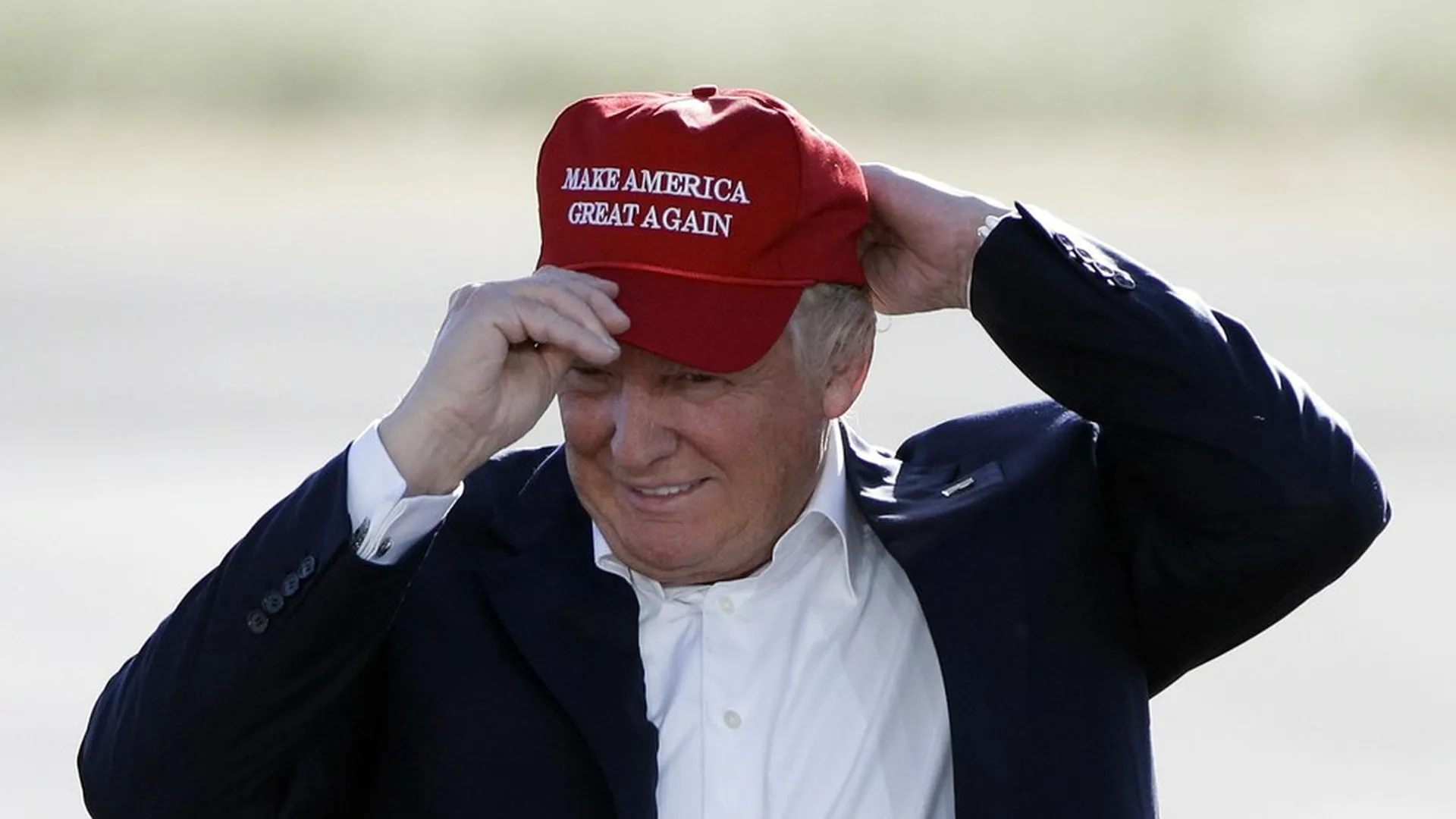
A campaign slogan is a concise statement that encapsulates the candidate’s key message. It should be easy to remember, resonate with voters, and differentiate the candidate from their opponents. A strong slogan can become a rallying cry for supporters and a key part of the campaign’s identity. No one can deny the power of “Make America Great Again” and how it has inspired a cult-like following. Every political campaign is looking to find that simple phrase that can rally their voter base, and most fall short if they have not done their due diligence to understand the current sentiment of the voters. Obama’s one-word slogan, “Hope,” came out of the frustration that voters felt with the inefficacy of their government, and Obama’s campaign soon realized that they could turn that frustration into a sizeable messaging advantage. That is how great slogans are born, and if used effectively, they can inspire the voter base.
Developing Key Messages
In addition to the slogan, a political campaign should have a set of key messages that communicate the candidate’s position on important issues. These messages should be consistent across all campaign materials and tailored to resonate with different voter segments. It is crucial that key messages are tailored to align with how people feel about a certain issue or topic. The messaging needs to be result-driven and aspirational, outlining the candidate’s vision for a better future. Achieving campaign promises is a very difficult endeavor in the American political system, however, nothing will stop any candidate from thinking big and promising to fight for lofty goals. If key messages are curtailed to match the reality of policymaking, they are not going to resonate and inspire the voter base.
Using Storytelling to Engage Voters
Storytelling is a powerful tool in political messaging. By sharing stories about the candidate’s background, experiences, and vision, the campaign can create an emotional connection with voters. These stories should be authentic and aligned with the campaign’s overall narrative. Candidates who are master storytellers can inspire their voter base. Donald Trump has shown to be a master performer. Reagan, Obama, and Clinton proved to be amazing orators who could capture audiences’ imagination. However, we can’t discount the fact that almost all of these masters of performance benefited from masterful speechwriters who intimately understood their target audience and created masterful speeches that inspired generations.
The Importance of Brand Consistency in Political Campaigns
Brand consistency is essential in maintaining voter trust and ensuring that the campaign’s message is clearly communicated. Inconsistent branding can lead to confusion and weaken the campaign’s impact. It is important for any branding campaign to limit its branding assets to very few impactful graphics and visuals in order to ensure brand consistency across all platforms. There is a famous saying that states, “If you confuse, you lose.” Therefore, it is crucial to have a competent brand manager at every campaign to ensure brand consistency is preserved.
Maintaining Consistent Messaging Across Platforms
In today’s digital age, political campaigns must communicate across multiple platforms, including social media, television, print, and in-person events. It’s crucial that the messaging remains consistent across all these channels to reinforce the campaign’s brand and prevent mixed signals. However, with the current prevalence of user-generated content and the introduction of AI, it has become extremely hard to police messaging consistency. Candidates’ words can be taken out of context and edited to be used against them, and in a world where misinformation reigns, it is even more crucial for any candidate to ensure they have the team in place to monitor and curtail misinformation and messaging abuse as best they can.
Ensuring Visual Consistency
Just as messaging should be consistent, so too should the visual elements of the campaign. The logo, color scheme, and other visual components should be used consistently across all campaign materials, from yard signs to social media graphics. This helps to create a cohesive brand identity that voters can easily recognize. However, like messaging, visual elements can also be misused across platforms by supporters or ordinary civilians. That is why simple brand elements that can easily be reproduced and reused can help prevent misuse that can erode brand consistency.
Adapting the Brand While Staying True to Core Values
While brand consistency is important, campaigns must also be adaptable to changing circumstances. This might involve adjusting messaging or visuals in response to current events or feedback from voters. However, any changes should remain true to the campaign’s core values and identity. Even though the campaign is adaptive to change, voters are known to not easily forget, and a candidate who changes their stance in the middle of a campaign will be sure to lose credibility with voters. It is best to choose a set of simple values that the candidate will live by and inspire voters to follow and create a simple messaging system that speaks to those values.
Conclusion
Branding is a powerful tool in political campaigns, shaping how voters perceive a candidate and influencing their decisions at the ballot box. A well-crafted brand strategy, strong visual identity, consistent messaging, and unwavering brand consistency are all critical components of a successful political campaign. By investing in these elements, campaigns can build a brand that resonates with voters, inspires action, and ultimately leads to electoral success.
In a world where voters are bombarded with information and political messaging, a strong, cohesive brand can be the difference between victory and defeat. Political candidates who understand the power of branding and execute it effectively will stand out, connect with voters, and leave a lasting impact.

Share this Post