

Table of Contents
- Why Brand Identity Development Matters for Business Growth
- How to Evaluate Brand Identity Development Agencies
- The Top 5 Brand Identity Development Agencies
- Understanding the Brand Identity Development Process
- Cost of Professional Brand Identity Services
- Brand Consistency Best Practices Across All Touchpoints
- In-House vs. Agency: Making the Right Choice
- Frequently Asked Questions
Last Updated: September 3, 2026
Why Brand Identity Development Matters for Business Growth
A signature color alone can increase brand recognition by up to 80%, yet most businesses treat their visual identity as an afterthought. Brand identity development agencies transform fragmented brand efforts into cohesive, revenue-driving assets that command market attention.
North America accounted for 39.41% of the Brand Identity Services Market in 2025, reflecting intense competition and rising consumer expectations. According to WiserReview’s 2026 branding research, 81% of consumers need to trust a brand before they’ll consider buying from it. That trust is built through deliberate, strategic brand identity work.
Companies maintaining strict brand consistency guidelines saw an average revenue uplift of 23.4%, with enterprise-level firms in financial services reporting gains as high as 31.2% (Lucidpress, 2026). Consistent brand presentation across all channels increases revenue by 10% to 20%, while 55% of a brand’s first impression comes from visuals alone. These metrics directly impact your bottom line.
Professional brand identity development isn’t a luxury, it’s a competitive necessity. The question isn’t whether to invest, but how to choose the right partner to deliver measurable results.
How to Evaluate Brand Identity Development Agencies
The wrong agency will hand you a beautiful logo and disappear. The right one becomes an extension of your leadership team, understanding your market, competitive position, and growth constraints.
Start with strategic positioning. A competent brand identity development agency doesn’t jump to design, it begins with research, market analysis, competitive audits, and target audience exploration before sketching a single concept. Ask prospective agencies how they approach strategic positioning and what deliverables emerge before any creative work begins.

Next, evaluate their creative direction capabilities. Can they articulate a clear visual philosophy and explain why specific color palettes, typography, and imagery choices align with your brand strategy? Vague answers like “it feels modern” are red flags. Strong agencies connect every visual decision to strategic objectives.
Portfolio depth matters more than portfolio size. Review 3-5 case studies in detail, looking for brand guidelines documentation, before-and-after comparisons demonstrating measurable impact, work across multiple touchpoints (logo, website, packaging, advertising), and client testimonials addressing business outcomes.
Ask about their process. How long do discovery and strategy take? What’s included in deliverables? Do they provide brand guidelines and design systems? Will they support implementation across your website, marketing collateral, and advertising? A brand identity development agency that hands off after the logo leaves you managing dozens of decisions alone.
Finally, assess cultural fit. You’ll spend months collaborating intensely. Does their communication style match your preference? Do they ask smart questions about your business? The best agencies aren’t order-takers, they’re partners who challenge assumptions when necessary.
The Top 5 Brand Identity Development Agencies
1. Marstudio: Strategic Marketing With Full-Service Execution
Marstudio combines fractional CMO-level strategy with hands-on execution capabilities. Rather than handing off design work to implementation partners, Marstudio delivers integrated brand identity development alongside web development, multimedia production, and advertising strategy, all coordinated through a unified strategic framework.
This matters because brand consistency is where most agencies fail. Marstudio’s full-service model means your brand guidelines are implemented correctly from day one, not negotiated later with external vendors who didn’t develop them.
Their MARS. Method of Engagement structures the entire process from discovery through launch and beyond, ensuring strategic alignment at every stage and reducing the common pitfall of design-driven work that looks good but doesn’t drive business results.
What works: Award-winning website design and development means your brand identity translates seamlessly to your digital presence. Full-service branding, print, and multimedia solutions eliminate the coordination overhead of managing multiple agencies.
What to consider: This level of integrated service requires deeper collaboration and longer engagement timelines than a traditional design-only agency.
Best for: Mid-size companies experiencing sales plateaus, high-growth startups needing fractional CMO leadership, and established enterprises unifying fragmented marketing efforts.
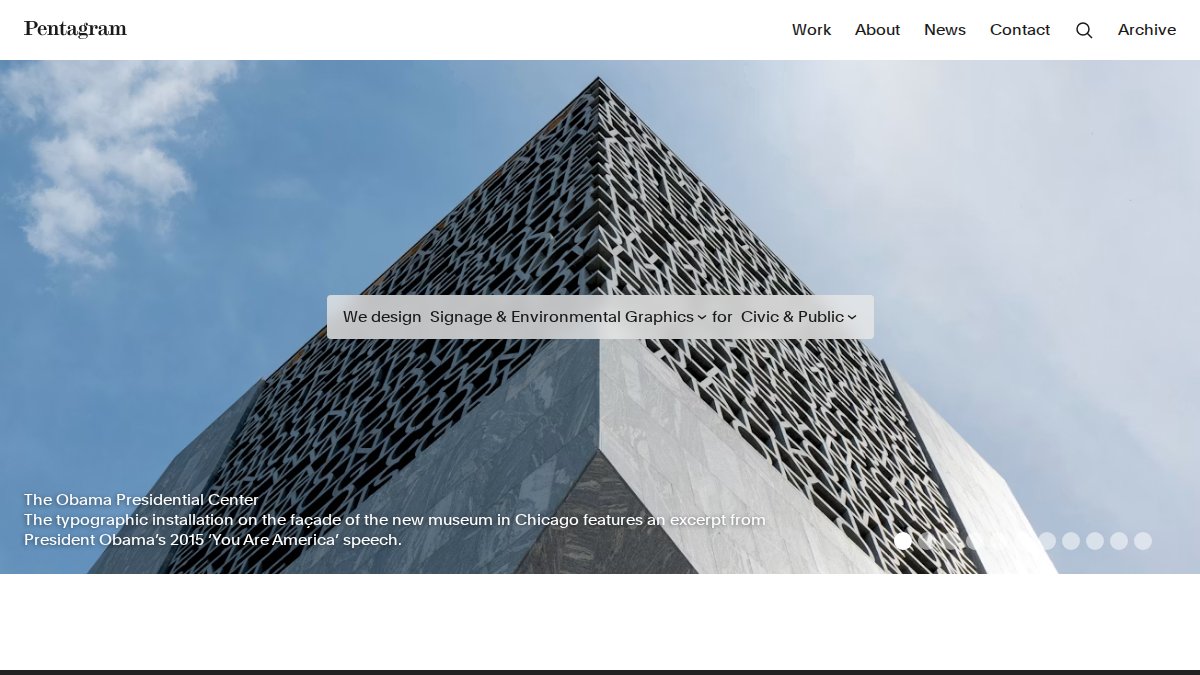
2. Pentagram: Partner-Led Creative Excellence
Pentagram’s reputation rests on a simple principle: partners do the work. You’re not assigned to a junior designer, you’re working directly with some of the world’s most acclaimed creative minds. This partner-led approach ensures every project receives the depth of creative thinking that builds iconic identities.
Their strength is bold, highly crafted visual systems with lasting appeal. Pentagram doesn’t chase trends. They create identities that age gracefully, remaining relevant across decades.
What works: Exceptional creative depth and artistry. Their portfolio demonstrates mastery of visual systems, typography, and brand architecture.
What to consider: Pentagram’s focus is creative excellence, not broader brand strategy or implementation support. You’ll need to manage rollout elsewhere. Their timeline is measured in months, not weeks.
Best for: Startups and established companies seeking world-class creative leadership and impactful brand identity design.
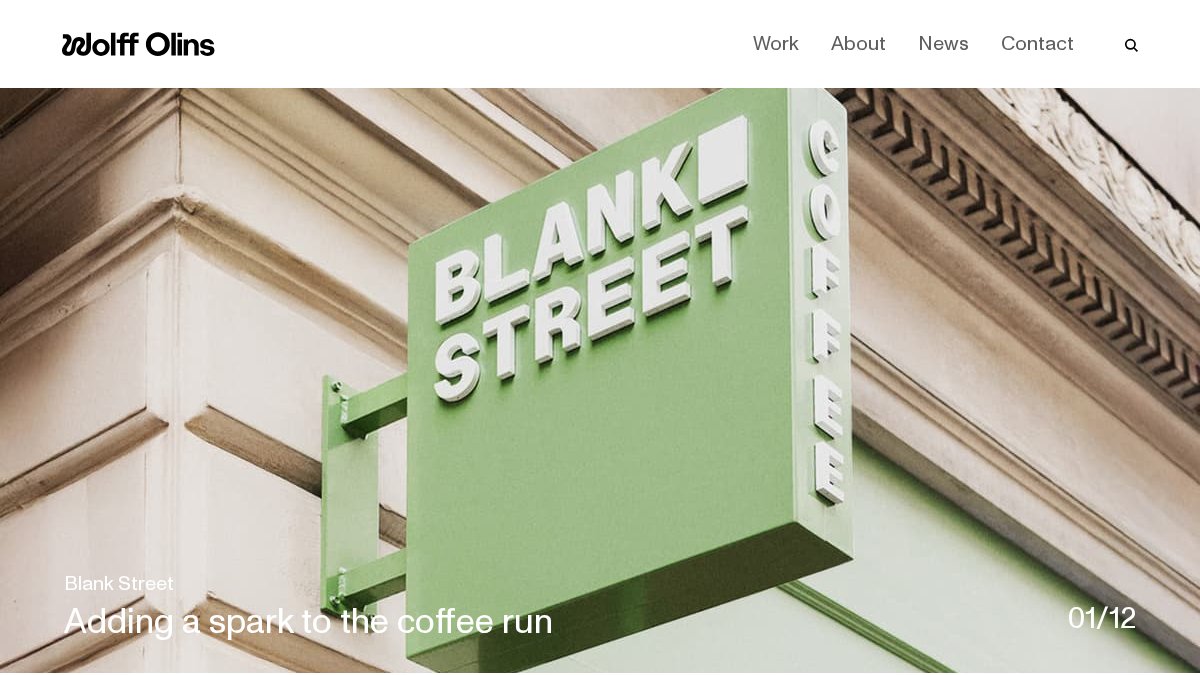
3. Wolff Olins: Transformative Brand and Culture Integration
Wolff Olins approaches brand identity development as inseparable from organizational culture. Their three-practice model, Brand, Culture, and Experience, reflects a belief that external brand identity only succeeds when internal culture aligns.
This holistic approach is powerful for large organizations undergoing transformation, mergers, or market repositioning. If your rebrand requires internal alignment, culture change, and external market repositioning simultaneously, Wolff Olins’ integrated model prevents the common scenario where a new brand identity lands on a misaligned organization and fails. branding tools for startups.
What works: Holistic approach integrating brand, culture, and experience design. Extensive experience in large-scale, complex rebranding projects.
What to consider: This comprehensive approach requires significant organizational commitment and longer timelines. Wolff Olins typically requires minimum budgets in the $150K+ range and isn’t suited for smaller projects.
Best for: Large organizations and established brands seeking transformative brand strategy, culture alignment, and experience design as part of broader organizational change.
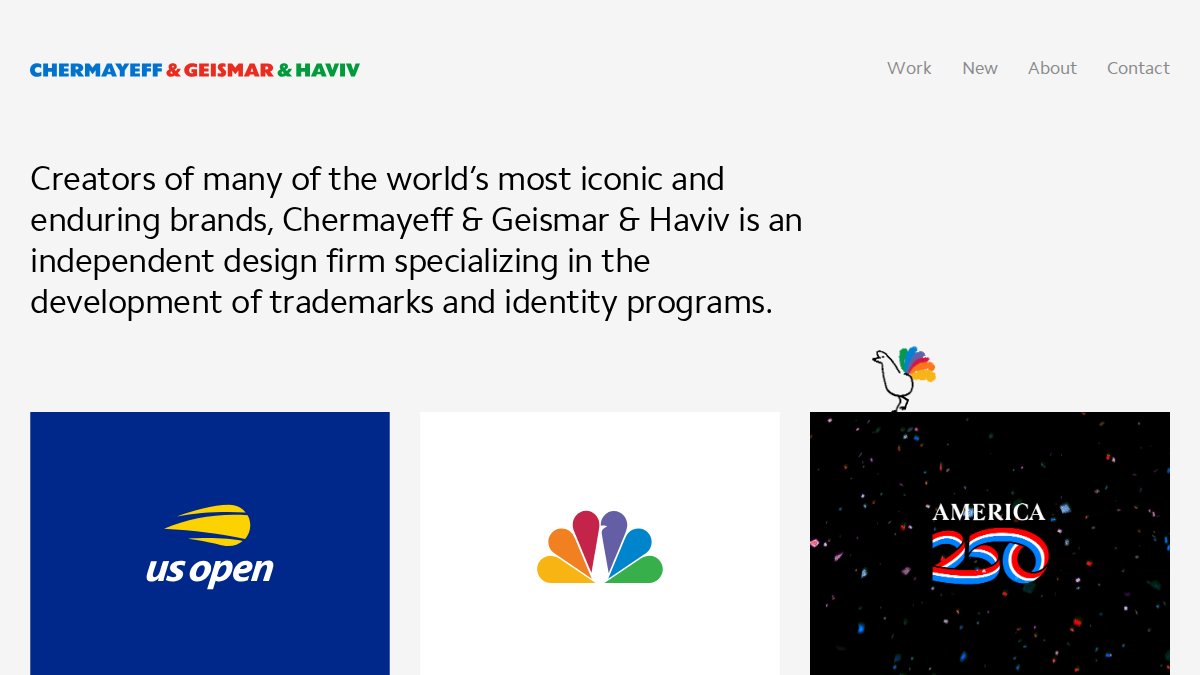
4. Chermayeff & Geismar & Haviv: Iconic Logo and Identity Design
Chermayeff & Geismar & Haviv (CGH) has been pioneering idea-driven graphic design since 1957. Their portfolio includes some of the world’s most recognizable marks: NBC, Chase Bank, Mobil Oil, PBS.
Their approach prioritizes simplicity and strategic thinking. They distill brand essence into marks and systems that work across contexts, from a billboard to a favicon, without losing impact.
What works: Decades of experience creating globally recognized and impactful brand marks. Deep expertise in corporate identity and logo design.
What to consider: CGH’s focus is primarily identity and graphic design, not broader brand strategy or implementation support.
Best for: Organizations seeking iconic, enduring visual identities and logos with a rich design heritage.
5. Interbrand: Global Brand Strategy and Valuation
Interbrand brings a unique angle to brand identity development: they quantify brand value. Their annual “Best Global Brands” report is the industry standard for brand valuation, which means they approach identity work with financial rigor most agencies lack.
Every decision ties back to brand strategy and measurable business impact. Their global network (24 offices in 17 countries) means they understand how brand identity translates across markets, cultures, and regulatory environments.
What works: Extensive global network and deep expertise in brand strategy and valuation. Financial rigor applied to creative decisions, ensuring identity work aligns with business objectives.
What to consider: Interbrand is built for large-scale, global brand challenges. Smaller projects may not align with their typical engagement model.
Best for: Global brands seeking strategic brand development, identity creation, and brand valuation as part of comprehensive brand management.
Understanding the Brand Identity Development Process
Brand identity development follows a consistent framework across professional agencies, though timelines and depth vary.
Discovery and strategy come first. This phase involves market research, competitive analysis, target audience exploration, and internal stakeholder interviews. A thorough discovery process typically takes 4-8 weeks and produces a strategic brief articulating brand positioning, competitive differentiation, and creative direction principles.
Creative development follows, with the agency generating multiple concepts exploring different visual directions. This phase usually involves 2-4 rounds of presentation and refinement over 6-10 weeks.
Once a direction is approved, the agency develops the design system, finalizing the logo, typography, color palette, imagery style, and layout principles. They document everything in brand guidelines.
Implementation support varies by agency. Some deliver only design assets and guidelines; others provide art direction as you implement across web, advertising, packaging, and collateral. This phase typically extends 8-12 weeks or longer.
Finally, post-launch brand management becomes critical. Your identity will need refinement as you encounter real-world applications not anticipated during development. The best agencies provide ongoing support.
Plan for a minimum 4-6 month timeline for comprehensive brand identity development. Rushing this process compromises strategic work quality and increases costly revisions.
Cost of Professional Brand Identity Services
Brand identity development pricing varies based on scope, agency caliber, and project complexity.
Entry-level work from smaller agencies typically ranges from $15,000 to $40,000, including discovery, strategy, logo design, and basic brand guidelines. You’ll manage implementation yourself.
Mid-market agencies generally charge $40,000 to $150,000 for comprehensive brand identity development including discovery, strategy, full design system development, brand guidelines, and some implementation support.
Enterprise-level work from top-tier agencies ranges from $150,000 to $500,000+, including everything in the mid-market range plus extended strategy, multiple concept directions, extensive stakeholder management, and comprehensive implementation support.
Several factors drive pricing: scope (logo-only costs less than a full brand system), timeline (compressed timelines increase costs), revision limits, implementation support, and agency caliber.
Beware of agencies offering brand identity development for under $10,000. At that price point, you’re getting template design work, not strategy. Professional brand identity development is an investment in your company’s market position and long-term credibility.
Brand Consistency Best Practices Across All Touchpoints
A beautiful brand identity means nothing if applied inconsistently. According to Shnoco’s 2026 branding analysis, 68% of companies say brand consistency adds 10-20% to revenue growth.
The foundation is comprehensive brand guidelines documenting logo usage rules, typography system, color palette, imagery style, voice and tone, and layout principles.
Assign someone responsibility for brand consistency. Create a checklist for major marketing outputs ensuring consistency before launch. Implement design systems that make consistency the default. Store logos, templates, photography, and approved color palettes in a central location.
Review and refresh your brand identity periodically. According to Marketing LTB’s 2024 brand consistency research, 68% of companies with documented brand consistency frameworks reported 10-20% revenue growth year-over-year, compared to just 29.1% among businesses without formal guidelines.
In-House vs. Agency: Making the Right Choice
Building brand identity in-house versus hiring an agency is a false binary. The real question is: what’s the right balance for your organization?
Choose in-house development when you have deep design talent, sufficient budget for tools, and time for a multi-month project. In-house work preserves institutional knowledge and builds capability you’ll use repeatedly.
Choose an agency when you need external expertise, objective perspective, or specialized capabilities your team lacks. Agencies bring pattern recognition from dozens of projects and accelerate timelines.
The hybrid approach often works best: hire an agency for strategy and initial design system development, then build in-house capability to evolve and implement the identity over time. For fractional leadership, Marstudio’s model bridges both approaches, providing senior-level strategic guidance and execution support without building a full internal team.
Choosing a brand identity development agency is one of the highest-ROI investments you can make. Marstudio brings strategic rigor, full-service execution capability, and proven results across multiple industries. The MARS. Method of Engagement ensures your brand identity translates seamlessly from strategy to implementation, eliminating the coordination overhead that undermines most rebrands. Book Now to explore how Marstudio can unify your marketing efforts and elevate your market position.
Frequently Asked Questions
Q: What should I expect from a top-tier brand identity development agency?
A: A top-tier brand identity development agency delivers comprehensive strategic positioning, visual identity design, brand guidelines, and ongoing support. You should expect market research, competitive analysis, creative direction, and deliverables like logos, color systems, typography, and brand voice documentation. The best agencies also provide brand consistency frameworks and post-launch management to ensure your identity translates across all touchpoints, from web and print to customer service interactions. Reputable agencies involve principals directly and demonstrate proven results through case studies.
Q: How do you evaluate the ROI of brand identity development?
A: Measure brand identity ROI by tracking metrics before and after launch: brand awareness, customer trust levels, website traffic, lead quality, and revenue growth. Research shows that consistent brand presentation increases revenue by 10-20%, while companies maintaining strict brand consistency guidelines see average revenue uplift of 23.4%. Track brand equity improvements through customer surveys, monitor market share gains, and measure employee engagement if rebranding includes internal culture alignment. Document how many customers cite your brand as a reason for choosing you, and compare conversion rates across channels to assess visual identity impact.
Q: How long does a full brand identity development project typically take?
A: A comprehensive brand identity development project typically spans 8-16 weeks, depending on scope and complexity. The timeline includes discovery and research (2-3 weeks), strategic positioning (2-3 weeks), concept development and refinement (3-4 weeks), final design and deliverables (2-3 weeks), and implementation planning (1-2 weeks). Larger organizations with multiple stakeholders or those undergoing complete rebranding may extend to 20+ weeks. Agencies should provide a detailed project timeline during the initial scope discussion, accounting for your internal review cycles and approval processes.
Q: What is the difference between brand identity and brand strategy?
A: Brand strategy is the foundational thinking: your market positioning, target audience, brand promise, and competitive differentiation. Brand identity is the visual and verbal expression of that strategy, logos, colors, typography, tone of voice, and messaging. Strategy answers ‘who are we and why do we matter?’ while identity answers ‘how do we show up?’ A strong brand identity development agency starts with strategy, then translates it into cohesive visual and verbal identities that work across all customer touchpoints. Without solid strategy, identity becomes decoration; without strong identity execution, strategy stays invisible to customers.
Q: Why is brand consistency critical for long-term growth?
A: Brand consistency drives measurable business outcomes. When customers encounter a unified brand experience across website, social media, packaging, and customer service, they build trust faster and make purchasing decisions more confidently. Research shows 81% of consumers need to trust a brand before buying, and 55% of first impression comes from visuals alone. Companies with documented brand consistency frameworks report 10-20% revenue growth, while 76.2% of customers abandon brands after experiencing three or more inconsistent interactions. Consistency also reduces decision fatigue for your team, lowers marketing costs through reusable systems, and strengthens employee pride in the organization.

Share this Post