
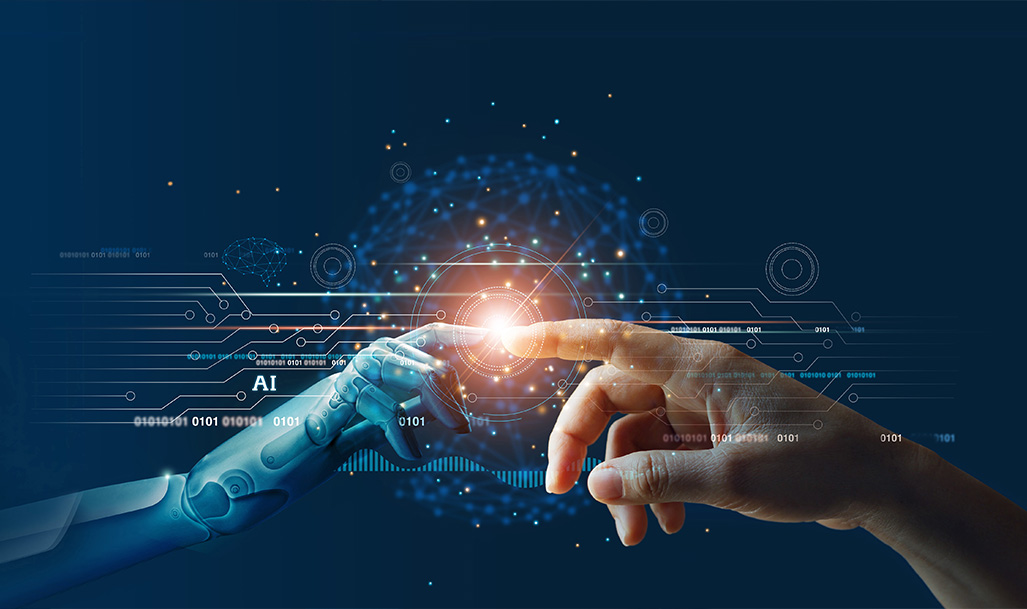
In today’s fast-paced digital landscape, it has become essential for businesses to stay ahead of the curve and leverage innovative tools to enhance their marketing strategies. Artificial Intelligence (AI) has emerged as a game-changer, enabling marketers to revolutionize their approach and drive impactful results. This article will explore the power of AI in marketing, delve into various AI tools, discuss the benefits of implementing AI in marketing, tackle challenges in AI adoption, and peek into the future of AI and marketing.
Understanding the Power of AI in Marketing
AI, at its core, refers to developing computer systems that can perform tasks that would typically require human intelligence. In the realm of marketing, AI plays a pivotal role in automating processes, analyzing vast amounts of data, and enabling marketers to make data-driven decisions with precision and efficiency.
AI has revolutionized the way marketers approach their strategies and campaigns. With its ability to process and analyze data at an unprecedented scale, AI has become an invaluable tool for marketers looking to gain a competitive edge in the digital landscape.
One of the key aspects of AI in marketing is its ability to automate repetitive tasks. This frees up marketers’ time, allowing them to focus on more strategic initiatives and creative endeavors. AI-powered systems can now handle tasks such as data entry, content creation, and social media scheduling, saving marketers countless hours of manual effort.
Defining AI and Its Role in Marketing
AI encompasses various techniques, such as machine learning, natural language processing, and computer vision, which empower marketers to automate repetitive tasks, gain valuable insights, and optimize customer experiences. By leveraging AI, marketers can streamline their operations, reduce manual effort, and focus on strategic initiatives.
Machine learning, a subset of AI, is particularly impactful in marketing. It allows marketers to analyze vast amounts of data and identify patterns that would be impossible to detect manually. With machine learning algorithms, marketers can uncover hidden trends and correlations, enabling them to make data-driven decisions confidently.
Natural language processing (NLP) is another powerful aspect of AI in marketing. NLP enables computers to understand and interpret human language, allowing marketers to analyze customer feedback, sentiment, and intent at scale. By leveraging NLP, marketers can gain valuable insights into customer preferences, pain points, and motivations, enabling them to tailor their marketing messages and campaigns accordingly.
The Impact of AI on Modern Marketing Strategies
With the rise of AI, marketing strategies have witnessed a dramatic shift. Marketers are now armed with powerful tools to process massive volumes of data in real-time, identify patterns, and draw actionable insights. This not only allows for more effective targeting but also enables the personalization of marketing messages to individual customers, fostering deeper connections and boosting conversion rates.
Personalization has become a key focus for marketers, and AI plays a crucial role in making it possible. By analyzing customer data, AI-powered systems can create highly targeted and personalized marketing campaigns. From personalized product recommendations to tailored email content, AI enables marketers to deliver messages that resonate with individual customers, increasing engagement and driving conversions.
AI has revolutionized customer experience by enabling marketers to provide personalized and seamless interactions across various touchpoints. Chatbots, powered by AI, can engage with customers in real-time, answering their queries and providing assistance. This not only enhances customer satisfaction but also improves overall brand perception.
In conclusion, AI has become an indispensable tool in the world of marketing. Its ability to automate tasks, analyze data, and personalize experiences has transformed the way marketers approach their strategies and campaigns. As AI continues to evolve, marketers can expect even more innovative applications to further enhance their ability to connect with customers and drive business growth.
Exploring Various AI Tools for Marketing
AI-powered tools are reshaping the marketing landscape, offering a plethora of possibilities to optimize marketing efforts and drive tangible results. Below are some key AI tools:
AI-Powered Content Creation Tools
Content creation is a critical aspect of any marketing strategy. AI-powered tools, equipped with natural language processing capabilities, can generate engaging and high-quality content in a fraction of the time it would take a human writer. These tools analyze data, understand audience preferences, and produce compelling articles, blog posts, and social media updates.
Imagine having an AI tool that generates content and understands the tone and style that resonates with your target audience. With AI-powered content creation tools, marketers can effortlessly create persuasive copy that captures the attention of potential customers. These tools can even adapt to different platforms, ensuring the content is optimized for maximum impact across various channels.
Additionally, AI-powered content creation tools can help marketers stay ahead of the curve by generating content ideas based on trending topics and industry insights. By leveraging AI, marketers can tap into a vast pool of data and generate unique, relevant, and shareable content that keeps their audience engaged and returning for more.
Predictive Analytics and AI
Powered by AI, predictive analytics empowers marketers to forecast customer behavior and anticipate their needs. By leveraging historical data, AI algorithms can identify trends, patterns, and correlations, enabling marketers to optimize their targeting efforts and serve personalized content, offers, or recommendations to customers at the right time.
Imagine being able to predict with a high degree of accuracy which products or services your customers are likely to purchase next. With AI-powered predictive analytics, marketers can gain valuable insights into customer preferences and behavior, allowing them to tailor their marketing strategies accordingly. By understanding customer needs in advance, marketers can create personalized experiences that drive conversions and foster long-term customer loyalty.
AI-powered predictive analytics can help marketers identify potential churn risks and take proactive measures to retain customers. By analyzing various data points, such as purchase history, browsing behavior, and customer feedback, AI algorithms can flag customers who are showing signs of disengagement. Armed with this information, marketers can implement targeted retention strategies, such as personalized offers or loyalty programs, to keep customers satisfied and loyal to their brand.
AI in Social Media Marketing
Social media platforms have become instrumental in reaching and engaging with customers. AI tools can analyze social media data, including sentiments, trends, and user behavior, to help marketers develop targeted campaigns, optimize ad placements, and build authentic connections with their audience.
Imagine having an AI tool that can analyze millions of social media posts and conversations in real-time, providing valuable insights into customer sentiment and preferences. With AI-powered social media marketing tools, marketers can identify emerging trends, understand customer sentiment toward their brand, and even monitor competitor activity. Armed with this information, marketers can tailor their social media campaigns to resonate with their target audience, ensuring maximum engagement and impact.
Moreover, AI-powered social media marketing tools can help marketers optimize ad placements by analyzing user behavior and preferences. These tools can identify the most relevant platforms, target demographics, and optimal ad formats, ensuring that marketers get the most out of their advertising budget. By leveraging AI, marketers can make data-driven decisions and achieve higher conversion rates and return on investment (ROI) from their social media marketing efforts.
The Benefits of Implementing AI Tools in Marketing
Integrating AI tools into marketing strategies comes with a myriad of benefits. Here are some of these advantages:
Enhancing Customer Experience with AI
Customer experience is paramount in today’s competitive market. AI tools can analyze customer interactions, preferences, and feedback to offer personalized experiences at scale. By leveraging AI, marketers can craft personalized product recommendations, tailor messaging, and create seamless customer journeys, ultimately fostering loyalty and customer satisfaction.
Imagine a scenario where a customer visits an e-commerce website to purchase a new pair of running shoes. With AI tools in place, the website can analyze the customer’s browsing history, previous purchases, and even social media activity to understand their preferences and needs. Based on this information, the AI system can then recommend the most suitable running shoes, taking into account factors such as brand, style, and price range. This personalized recommendation not only saves the customer time and effort but also enhances their overall shopping experience.
AI-powered chatbots can provide instant and accurate responses to customer queries, ensuring a seamless and efficient communication process. These chatbots can understand natural language and context, allowing them to engage in meaningful conversations with customers. By providing timely and relevant information, AI chatbots contribute to a positive customer experience, building trust and satisfaction.
Streamlining Marketing Efforts with AI
AI tools automate time-consuming tasks, such as data analysis, A/B testing, and campaign optimization. This automation allows marketers to free up resources, focus on strategic initiatives, and drive efficiency in their marketing efforts. By automating mundane tasks, AI empowers marketers to allocate their energy towards creativity and innovation.
Consider the process of analyzing marketing campaign data. Traditionally, marketers would spend hours manually sifting through spreadsheets and reports to identify trends and insights. With AI tools, this process becomes significantly faster and more accurate. AI algorithms can quickly analyze large volumes of data, identifying patterns, correlations, and anomalies that may not be immediately apparent to human analysts. This enables marketers to make data-driven decisions based on real-time insights, leading to more effective and targeted marketing campaigns.
In addition to data analysis, AI tools can also automate A/B testing, a crucial process in marketing. A/B testing involves comparing two versions of a webpage, email, or advertisement to determine which one performs better. By automating this process, AI tools can quickly generate and test multiple variations, allowing marketers to identify the most effective elements and optimize their campaigns accordingly. This streamlining of A/B testing not only saves time but also improves the accuracy of results, leading to more impactful marketing strategies.
AI and Data-Driven Decision Making
Data is the lifeblood of marketing campaigns. AI tools enable marketers to extract insights from vast amounts of data, identify trends, and forecast outcomes. Armed with this knowledge, marketers can make informed decisions, optimize campaigns on the fly, and constantly improve results while minimizing risks.
With AI-powered analytics tools, marketers can better understand their target audience. By analyzing demographic data, purchasing behavior, and online interactions, AI algorithms can identify patterns and preferences that may not be immediately apparent. This valuable insight allows marketers to tailor their messaging and offers to resonate with their audience, increasing the chances of conversion and engagement.
Furthermore, AI tools can predict customer behavior and forecast campaign outcomes. By analyzing historical data and applying machine learning algorithms, marketers can gain insights into future trends and make proactive adjustments to their strategies. This predictive capability not only helps marketers stay ahead of the competition but also minimizes risks and maximizes return on investment.
In conclusion, implementing AI tools in marketing offers numerous benefits. From enhancing customer experience to streamlining marketing efforts and enabling data-driven decision-making, AI empowers marketers to achieve better results, drive efficiency, and stay ahead in today’s competitive landscape.
Overcoming Challenges in AI Adoption for Marketing
While the potential of AI in marketing is immense, there are challenges that marketers need to overcome to harness its capabilities fully:
Addressing Common Misconceptions about AI in Marketing
Many marketers may fear that AI will replace human creativity or control. However, it is crucial to understand that AI tools are designed to enhance human capabilities, not replace them. Marketers can confidently adopt and integrate AI into their strategies by dispelling common misconceptions and understanding how AI augments marketing efforts.
Navigating the Learning Curve of AI Tools
Adopting AI tools may involve a learning curve, as marketers need to understand how to use and extract value from these tools. It is essential to invest in training and upskilling to empower marketers with the knowledge to leverage AI effectively. Building a culture of continuous learning and embracing AI as a strategic asset will be key to success.
Future Trends: AI and Marketing
The future of AI in marketing is brimming with exciting possibilities. Here is a glimpse into two key trends:
The Future of Personalization in Marketing with AI
With advancements in AI technology, personalization in marketing will reach new heights. AI-powered tools will enable marketers to offer highly tailored experiences by understanding individual preferences, predicting intent, and delivering personalized content, recommendations, and offers in real time.
AI’s Role in the Evolution of Marketing Automation
The integration of AI and marketing automation will lead to the emergence of hyper-targeted, dynamic campaigns. AI algorithms will enable marketers to automate repetitive tasks and campaign orchestration and optimization by analyzing real-time data, providing accurate insights, and driving adaptive marketing strategies.
Conclusion
As AI continues to evolve, its impact on the marketing landscape will only grow stronger. By understanding the power of AI in marketing, exploring various AI tools, harnessing their benefits, and addressing challenges in AI adoption, marketers can revolutionize their strategies and drive exceptional results. Embracing cutting-edge innovations in AI will enable marketers to stay ahead in a rapidly changing digital world while delivering personalized experiences and forging deeper connections with their audience. It’s time to unleash the power of AI and unlock new possibilities for marketing excellence. Save money and reclaim your time with our Fractional Chief Marketing Officer (CMO) services. Our team has branding, marketing, sales, and project management expertise.

Share this Post