
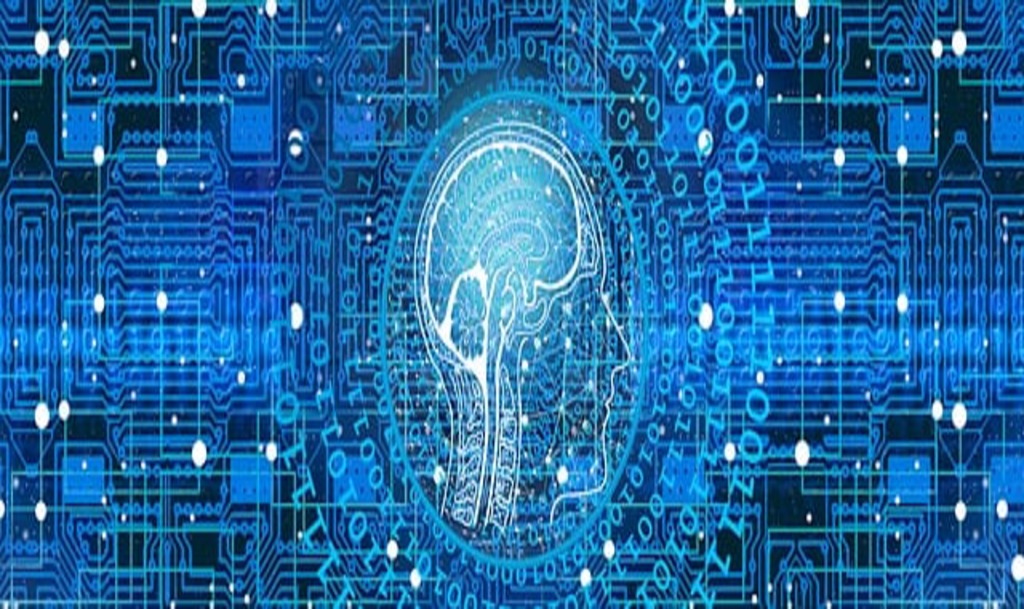
Artificial intelligence (AI) has revolutionized how companies approach marketing, enabling them to achieve real-world success and stay ahead of the competition. By harnessing the power of AI, marketers can better understand their target audience, create personalized campaigns, and make data-driven decisions. This article will explore the various ways AI is being used in marketing and its impact on businesses in today’s digital landscape.
Understanding AI and Its Role in Marketing
Before delving into the examples of AI in marketing, it is essential to clearly understand what AI is and what its role is in this context. AI refers to the simulation of human intelligence in machines that are programmed to think and learn like humans. It encompasses various technologies, such as machine learning and natural language processing, which enable machines to analyze vast amounts of data and make intelligent decisions.
Artificial Intelligence (AI) has emerged as a game-changer in the field of marketing. With its ability to process and analyze massive amounts of data, AI has revolutionized the way marketers approach customer acquisition, retention, and engagement. By leveraging intelligent algorithms and technologies, marketers can gain valuable insights into consumer behavior, predict trends, and personalize customer experiences.
Defining AI in the Context of Marketing
In the context of marketing, AI refers to the use of intelligent algorithms and technologies to automate and optimize marketing processes. It helps marketers gain insights into consumer behavior, predict trends, and personalize customer experiences. By leveraging AI, marketers can identify patterns, extract meaningful information from large datasets, and deliver targeted messages to the right audience at the right time.
AI in marketing goes beyond traditional methods of data analysis. It allows marketers to tap into the power of machine learning, enabling systems to learn from past interactions and adapt their strategies accordingly. This adaptive approach enables marketers to stay ahead of the curve and deliver highly relevant and personalized marketing campaigns.
The Impact of AI on Modern Marketing Strategies
The impact of AI on modern marketing strategies cannot be overstated. It has revolutionized the way marketers approach customer acquisition, retention, and engagement. AI-powered marketing systems enable companies to analyze consumer data, identify trends and patterns, and tailor their marketing efforts accordingly. This not only increases the effectiveness of marketing campaigns but also enhances customer satisfaction and loyalty.
One of the key advantages of AI in marketing is its ability to automate repetitive tasks, freeing up valuable time for marketers to focus on strategy and creativity. AI-powered tools can handle tasks such as data analysis, content creation, and campaign optimization, allowing marketers to allocate their resources more efficiently.
Furthermore, AI enables marketers to deliver highly personalized experiences to their customers. By analyzing vast amounts of data, AI algorithms can identify individual preferences, interests, and purchasing behaviors. This enables marketers to create targeted campaigns that resonate with their audience on a deeper level, leading to increased engagement and conversion rates.
Another significant impact of AI in marketing is its ability to predict consumer trends and behavior. By analyzing historical data and real-time information, AI algorithms can identify emerging trends and patterns, helping marketers stay ahead of the competition. This predictive capability allows marketers to make data-driven decisions and allocate their resources effectively, maximizing their return on investment.
In conclusion, AI has become an indispensable tool for modern marketers. Its ability to process and analyze vast amounts of data, automate tasks, and deliver personalized experiences has transformed the marketing landscape. As AI continues to evolve, marketers must embrace its potential and leverage its power to drive growth and success in an increasingly competitive market.
The Intersection of AI and Marketing
The intersection of AI and marketing is where true innovation happens. AI is changing the marketing landscape in various ways, empowering marketers to achieve better results and drive business growth.
AI, or artificial intelligence, is a technology that simulates human intelligence in machines. It has become a game-changer in the marketing industry, revolutionizing how businesses connect with their target audience. By leveraging AI, marketers can gain valuable insights into customer behaviors and preferences, enabling them to create more effective marketing strategies.
How AI is Changing the Marketing Landscape
AI is transforming the marketing landscape by enabling marketers to gain valuable insights into customer behaviors and preferences. By analyzing vast amounts of data, AI algorithms can identify patterns and predict future trends, allowing marketers to make informed decisions and align their marketing strategies accordingly. This leads to more targeted and personalized campaigns that resonate with consumers and drive better results.
For example, AI-powered tools can analyze customer data from various sources, such as social media platforms, website analytics, and customer relationship management systems. By analyzing this data, AI algorithms can identify patterns in customer behavior, such as purchase preferences, browsing habits, and engagement levels. Armed with these insights, marketers can tailor their marketing messages to specific customer segments, increasing the chances of conversion and customer loyalty.
Furthermore, AI can also help marketers optimize their advertising efforts. By analyzing data on ad performance, AI algorithms can identify which ads are most effective in driving conversions and adjust ad placements accordingly. This not only saves marketers time and resources but also ensures that their advertising budget is being used efficiently.
The Benefits of Integrating AI into Marketing
The integration of AI into marketing brings numerous benefits to businesses of all sizes. Firstly, AI automates time-consuming manual tasks, enabling marketers to focus on higher-value activities such as strategy development and creative thinking. With AI taking care of repetitive tasks like data analysis and reporting, marketers can allocate their time and energy to more strategic initiatives that drive business growth.
Secondly, AI-powered tools can analyze large datasets quickly, providing marketers with valuable insights that drive data-driven decision-making. In the past, analyzing massive amounts of data would have been a daunting and time-consuming task. However, with AI, marketers can leverage machine learning algorithms to process and analyze data at lightning speed. This allows them to uncover hidden patterns and trends that may have otherwise gone unnoticed, enabling them to make more informed marketing decisions.
Finally, AI allows for personalized marketing campaigns that target specific segments of the audience, leading to higher conversion rates and increased customer satisfaction. By leveraging AI, marketers can create highly personalized experiences for their customers, delivering the right message to the right person at the right time. This level of personalization increases the chances of conversion and enhances the overall customer experience, fostering long-term customer loyalty.
In conclusion, the intersection of AI and marketing is a space of immense potential. By harnessing the power of AI, marketers can gain valuable insights, automate manual tasks, and create personalized experiences that drive business growth. As AI continues to evolve, it will undoubtedly shape the future of marketing, enabling marketers to achieve even greater results and connect with their audience in more meaningful ways.
AI Tools and Technologies in Marketing
There are numerous AI tools and technologies available that can help marketers streamline their processes and achieve better results. These tools leverage AI algorithms to automate repetitive tasks, analyze data, and deliver personalized marketing campaigns.
With the rapid advancement of technology, AI has become an integral part of the marketing landscape. It has revolutionized the way marketers approach their strategies and interact with customers. Here is a closer look at the world of AI marketing tools and their various functionalities.

Exploring Different AI Tools for Marketing
AI tools for marketing encompass a wide range of functionalities, such as customer segmentation, content creation, chatbots, and predictive analytics. Customer segmentation tools enable marketers to divide their audience into distinct groups based on demographics, behaviors, and preferences.
By understanding the unique characteristics of each segment, marketers can tailor their marketing messages to resonate with specific groups, resulting in higher engagement and conversion rates. These tools leverage AI algorithms to analyze vast amounts of customer data, identifying patterns and trends that would be impossible to detect manually.
Content creation tools are another essential component of AI in marketing. These tools leverage AI to generate personalized content at scale. By analyzing customer data, AI algorithms can create dynamic content that is tailored to each individual’s preferences and interests. This level of personalization helps marketers deliver targeted messages that resonate with their audience, leading to higher engagement and conversion rates.
Chatbots have also become increasingly popular in the marketing world. These AI-powered virtual assistants provide instant customer support and assist in lead generation. Chatbots can handle a wide range of customer inquiries, from answering frequently asked questions to guiding users through the purchasing process.
By automating these interactions, chatbots free up valuable time for marketers, allowing them to focus on more strategic initiatives. Additionally, chatbots can collect valuable customer data, providing marketers with insights into customer preferences and pain points.
Predictive analytics tools, on the other hand, help marketers forecast future trends and make data-driven decisions. By analyzing historical data and applying machine learning algorithms, these tools can predict customer behaviors and preferences, enabling marketers to stay one step ahead of their competition. With the help of predictive analytics, marketers can optimize their marketing campaigns, allocate resources more effectively, and identify new growth opportunities.
The Role of AI Technologies in Data Analysis
Data analysis is a crucial aspect of marketing, and AI technologies play a significant role in this area. Machine learning algorithms can analyze large datasets faster and more accurately than humans, identifying patterns and extracting valuable insights.
By leveraging AI technologies, marketers can better understand customer behaviors, preferences, and buying patterns. This knowledge allows them to craft targeted marketing strategies that resonate with their audience, resulting in higher engagement and conversion rates.
AI technologies also enable marketers to deliver personalized experiences to their customers. By analyzing vast amounts of customer data, AI algorithms can identify individual preferences and tailor marketing messages accordingly. This level of personalization helps create a more meaningful and relevant customer experience, fostering loyalty and driving repeat business.
Furthermore, AI technologies can automate data analysis processes, saving marketers valuable time and resources. By automating tasks such as data cleansing, data modeling, and data visualization, marketers can focus on interpreting the insights and developing actionable strategies.
In conclusion, AI tools and technologies have transformed the marketing landscape, empowering marketers to streamline their processes, analyze data more effectively, and deliver personalized experiences. As technology continues to advance, you can expect AI to play an even more significant role in shaping the future of marketing.
Real-World Success Stories of AI in Marketing
To illustrate the impact of AI in marketing, here are some real-world success stories of companies that have leveraged AI to achieve impressive results.
How AI is Driving Success in Retail Businesses
Retail businesses can greatly benefit from AI in marketing. For example, an upscale boutique clothing store implemented an AI-powered recommendation engine on their website. By analyzing customer browsing and purchase history, the recommendation engine suggested personalized outfits and accessories to each customer. This resulted in a significant increase in online sales and customer satisfaction.
Large Corporations and Their AI Success Stories
Large corporations have also embraced AI in their marketing efforts. A multinational e-commerce company used AI to analyze customer reviews and feedback. By mining textual data, the AI system identified common customer complaints and pain points. Armed with this information, the company made product improvements, enhancing customer satisfaction and loyalty.
Future Prospects of AI in Marketing
The prospects of AI in marketing are promising. As technology advances and AI becomes more accessible, you can expect to see further integration of AI into marketing strategies and practices.
Predicting the Future of AI in Marketing
In the future, AI is likely to become an integral part of every marketer’s toolkit. AI-powered systems will become more sophisticated, enabling marketers to gain deeper insights into consumer behavior, automate marketing processes, and deliver highly targeted campaigns. As AI continues to evolve, marketers will need to stay ahead of the curve, embracing new technologies and adapting their strategies to harness the full potential of AI.
Preparing for an AI-Driven Marketing Future
As AI continues to shape the marketing landscape, companies must prepare for an AI-driven future. This involves investing in AI tools and technologies, training staff to leverage AI effectively, and fostering a culture of innovation and data-driven decision-making. By embracing AI and staying at the forefront of technological advancements, companies can future-proof their marketing strategies and drive real-world success.
Conclusion
In conclusion, AI is transforming the marketing landscape and enabling companies to achieve real-world success. By leveraging AI technologies and tools, marketers can gain valuable insights, automate processes, and deliver highly targeted and personalized campaigns. From retail businesses to large corporations, AI is revolutionizing how companies approach marketing, enhancing customer experiences, and driving business growth. To stay ahead in today’s competitive digital landscape, companies must embrace AI and harness its full potential. Let our experienced Fractional CMOs help you achieve marketing success for your business. Contact My Chief Marketing Officer to schedule a free consultation and learn more.

Share this Post