
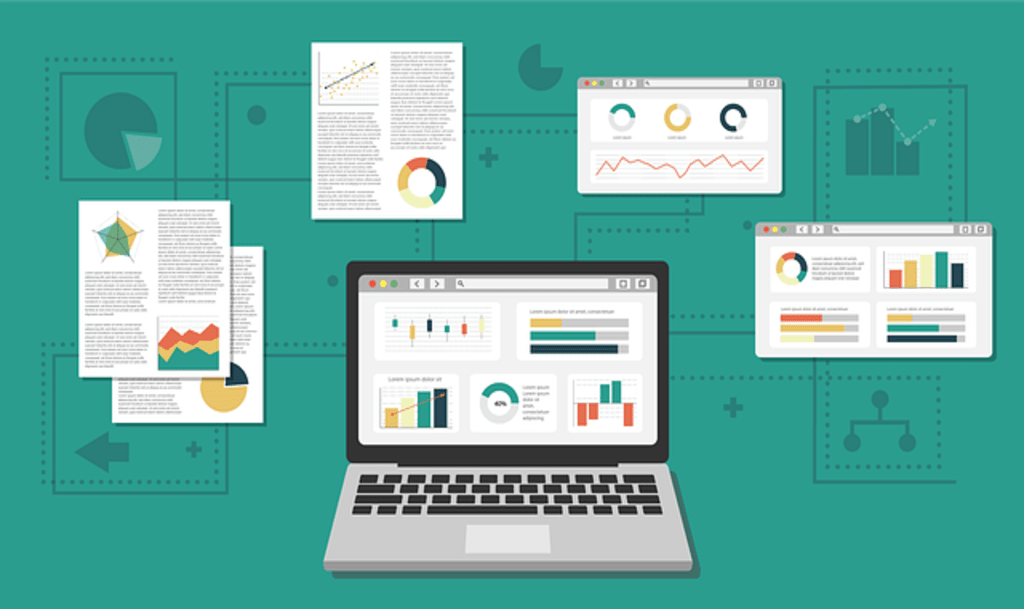
Marketing leaders are tasked with driving growth and maximizing the impact of their initiatives. To do this effectively, they need access to accurate and meaningful data. This is where a CMO dashboard comes into play. A CMO dashboard is a powerful tool that provides marketing leaders with key metrics and insights to make informed decisions and drive strategy. This article will explore the importance of a CMO dashboard, identify essential metrics for marketing leaders, discuss how to interpret dashboard data, and explore the future of CMO dashboards.
Understanding the Importance of a CMO Dashboard
Marketing leaders play a critical role in the success of any organization. They are responsible for developing and executing marketing strategies that drive revenue and growth. However, without access to relevant data, their decisions may be based on guesswork or incomplete information. This is where a CMO dashboard can make a significant difference.
A CMO dashboard serves as a central hub for all marketing-related data, allowing marketing leaders to monitor and analyze key performance indicators (KPIs) in real time. It provides a holistic view of the marketing landscape and enables leaders to identify trends, spot opportunities, and address challenges. A well-designed CMO dashboard empowers marketing leaders to make data-driven decisions, align marketing efforts with organizational goals, and optimize marketing spend.
The Role of a CMO Dashboard in Marketing Strategy
Marketing strategies are the backbone of any successful business. They determine how a company positions itself in the market, reaches its target audience, and ultimately drives revenue. However, developing an effective marketing strategy requires a deep understanding of the market, customer behavior, and the competitive landscape. This is where a CMO dashboard becomes invaluable.
A CMO dashboard provides marketing leaders with a comprehensive view of their organization’s marketing performance. It allows them to track and analyze key metrics in actual time, making data-driven decisions that align with their strategic goals. With access to up-to-date data, marketing leaders can quickly identify trends, spot opportunities, and address challenges, ensuring their marketing strategies are always on track.
Furthermore, a CMO dashboard enables marketing leaders to optimize their marketing spend. By tracking revenue and sales metrics, they can evaluate the effectiveness of their marketing initiatives and make informed decisions about resource allocation. This ensures that marketing efforts are focused on activities that generate the highest return on investment (ROI), maximizing the impact of their marketing budget.
Key Components of an Effective CMO Dashboard
An effective CMO dashboard should include a combination of quantitative and qualitative metrics that provide a comprehensive view of marketing performance. These metrics should cover various aspects of marketing, allowing marketing leaders to assess the effectiveness of their strategies from multiple angles. Here are some key components of an effective CMO dashboard:
- Revenue and Sales Metrics: Tracking revenue generated, customer acquisition, conversion rates, and average order value can provide insights into marketing effectiveness. By monitoring these metrics, marketing leaders can assess the impact of their marketing efforts on the bottom line and make data-driven decisions to drive revenue growth.
- Customer Engagement Metrics: Metrics such as website traffic, social media engagement, and email click-through rates can help assess customer engagement and the effectiveness of marketing campaigns. By analyzing these metrics, marketing leaders can identify areas for improvement and optimize their marketing strategies to better engage their target audience.
- ROI Metrics: Measuring return on investment (ROI) allows marketing leaders to evaluate the success of marketing initiatives and allocate resources strategically. By tracking the ROI of different marketing activities, marketing leaders can identify high-performing strategies and reallocate resources to maximize their impact.
- Brand Performance Metrics: Tracking brand sentiment, customer satisfaction, and market share can help marketing leaders gauge the effectiveness of branding and positioning strategies. By monitoring these metrics, marketing leaders can assess how their brand is perceived in the market and make informed decisions to strengthen their brand’s position.
By incorporating these key components into their CMO dashboard, marketing leaders can gain a comprehensive view of their marketing performance and make data-driven decisions that drive revenue and growth.

Identifying Essential Metrics for Marketing Leaders
While every organization is unique, certain metrics hold universal significance for marketing leaders. Let’s explore some of these essential metrics:
Marketing leaders are constantly striving to improve their strategies and drive business growth. To do so, they rely on a set of key metrics that provide valuable insights into the effectiveness and efficiency of their marketing efforts. These metrics help them make informed decisions, optimize resource allocation, and drive revenue growth.
Customer Acquisition Cost (CAC) and Its Significance
Customer Acquisition Cost (CAC) measures the expenses incurred to acquire a new customer. It provides valuable insights into the efficiency and cost-effectiveness of marketing efforts. By tracking CAC, marketing leaders can optimize resource allocation and improve the overall effectiveness of customer acquisition strategies.
Understanding the CAC is crucial for marketing leaders as it helps them evaluate the return on investment (ROI) of their marketing campaigns. By analyzing the cost of acquiring new customers, marketing leaders can identify areas where they can reduce expenses and improve the efficiency of their customer acquisition process. This, in turn, allows them to allocate resources more effectively and drive business growth.
Importance of Customer Lifetime Value (CLV)
Customer Lifetime Value (CLV) is the projected revenue a customer will generate throughout their relationship with the company. CLV allows marketing leaders to identify high-value customers, allocate resources accordingly, and tailor marketing strategies to maximize customer retention and loyalty.
Marketing leaders understand that not all customers are created equal. Some customers have a higher CLV, meaning they generate more revenue over their lifetime. By identifying these high-value customers, marketing leaders can allocate resources more effectively, focusing their efforts on retaining and nurturing these valuable relationships. This can be achieved through personalized marketing campaigns, loyalty programs, and exceptional customer service.
The Role of Return on Investment (ROI) in Marketing
Return on Investment (ROI) is a critical metric that measures the profitability and effectiveness of marketing campaigns. By analyzing ROI, marketing leaders can identify initiatives that deliver the highest returns and optimize marketing spending to drive revenue growth.
Marketing leaders are constantly under pressure to demonstrate the value of their marketing efforts. ROI provides them with a tangible measure of success, allowing them to evaluate the effectiveness of their campaigns and make data-driven decisions. By analyzing the ROI of different marketing initiatives, leaders can identify which strategies are generating the highest returns and allocate resources accordingly. This not only helps in optimizing marketing dollars but also in driving revenue growth and achieving business objectives.
In conclusion, marketing leaders rely on a set of essential metrics to guide their decision-making and drive business growth. By tracking metrics such as CAC, CLV, and ROI, they can optimize resource allocation, maximize customer retention, and drive revenue growth. These metrics provide valuable insights into the effectiveness and efficiency of marketing efforts, enabling leaders to make data-driven decisions and achieve their marketing objectives.
Insights from the CMO Dashboard
A well-designed CMO dashboard provides marketing leaders with valuable insights that can shape strategy and drive meaningful results. Let’s explore how to interpret dashboard data and turn insights into actionable strategies.
When it comes to interpreting dashboard data, having a keen eye for trends, patterns, and outliers is crucial. By analyzing data over time, marketing leaders can identify trends that can help them make strategic decisions and adjust campaigns as needed. For example, they may notice a consistent increase in website traffic during certain times of the year, which can inform the timing of future campaigns or promotions.
Furthermore, comparing data across different campaigns and channels can provide valuable insights into the effectiveness of various marketing initiatives. For instance, marketing leaders may discover that social media campaigns generate more leads compared to email marketing campaigns. Armed with this knowledge, they can allocate resources accordingly and focus on the channels that yield the best results.
Turning Insights into Actionable Strategies
One of the primary objectives of a CMO dashboard is to provide marketing leaders with actionable insights. However, it is not enough to simply have insights; they must be translated into strategies that drive results. To do this effectively, marketing leaders should prioritize areas of improvement based on the insights gained from the dashboard.
For example, if the CMO dashboard reveals that the conversion rate for a particular landing page is significantly lower than expected, marketing leaders can prioritize optimizing that page to improve its performance. They can then set measurable goals, such as increasing the conversion rate by a certain percentage within a specific timeframe.
Once goals are set, marketing leaders can develop targeted action plans to achieve them. This may involve conducting A/B tests to identify the most effective messaging or design elements, implementing new marketing tactics, or refining existing strategies based on the insights provided by the dashboard.
By leveraging the data provided by the CMO dashboard, marketing leaders can optimize marketing efforts, drive growth, and achieve business objectives. For instance, if the dashboard indicates that a particular marketing campaign is not generating the desired ROI, marketing leaders can make data-driven decisions to reallocate resources or adjust the campaign strategy to maximize results.
In conclusion, a well-designed CMO dashboard is a powerful tool that can provide marketing leaders with valuable insights. By interpreting dashboard data and turning insights into actionable strategies, marketing leaders can make informed decisions, drive meaningful results, and stay ahead in today’s competitive landscape.
Enhancing Decision-Making with a CMO Dashboard
A CMO dashboard empowers marketing leaders to make informed decisions based on real-time data. Let’s explore two aspects that enhance decision-making: the impact of real-time data and predictive analytics.
The Impact of Real-Time Data on Marketing Decisions
Real-time data allows marketing leaders to respond swiftly to market changes and optimize campaigns in real time. By monitoring key metrics such as website traffic, campaign performance, and customer feedback in real time, marketing leaders can make data-driven decisions that maximize results and minimize risks.
Predictive Analytics and Future Marketing Trends
Predictive analytics uses historical data, machine learning algorithms, and statistical techniques to forecast future trends and outcomes. By leveraging predictive analytics, marketing leaders can identify emerging trends, anticipate customer behavior, and proactively adapt marketing strategies to stay ahead of the competition.
The Future of CMO Dashboards
The field of marketing is constantly evolving, and CMO dashboards are no exception. Let’s explore two important aspects of the future of CMO dashboards: the role of AI and the evolution in the digital age.
The Role of AI in Enhancing CMO Dashboards
Artificial Intelligence (AI) has the potential to revolutionize CMO dashboards. AI can provide advanced analytics, automate data analysis, and generate real-time insights that empower marketing leaders to make better decisions faster. Using machine learning algorithms, AI can identify patterns in data and provide actionable recommendations, ultimately enhancing marketing effectiveness and driving growth.
The Evolution of CMO Dashboards in the Digital Age
As organizations embrace digital transformation, CMO dashboards will continue to evolve to meet changing needs. Dashboards will become more integrated, pulling data from various sources and systems to provide a comprehensive view of marketing performance. With advancements in data visualization and user experience design, CMO dashboards will become more intuitive and user-friendly, enabling marketing leaders to quickly and easily access the insights they need.
Conclusion
In today’s data-driven world, marketing leaders need access to accurate and meaningful data to drive strategy and make informed decisions. A well-designed CMO dashboard serves as a powerful tool that provides key metrics and insights to marketing leaders. By understanding the importance of a CMO dashboard, identifying essential metrics, interpreting dashboard data, and leveraging real-time data and predictive analytics, marketing leaders can enhance decision-making and drive growth. As the future of CMO dashboards unfolds, AI and digital advancements will only further empower marketing leaders to optimize marketing efforts and achieve business objectives. Schedule your FREE Business Growth Strategy Session with one of our Senior Chief Marketing Officers and increase the return on your marketing efforts.


Share this Post